S tier
Buy with confidence
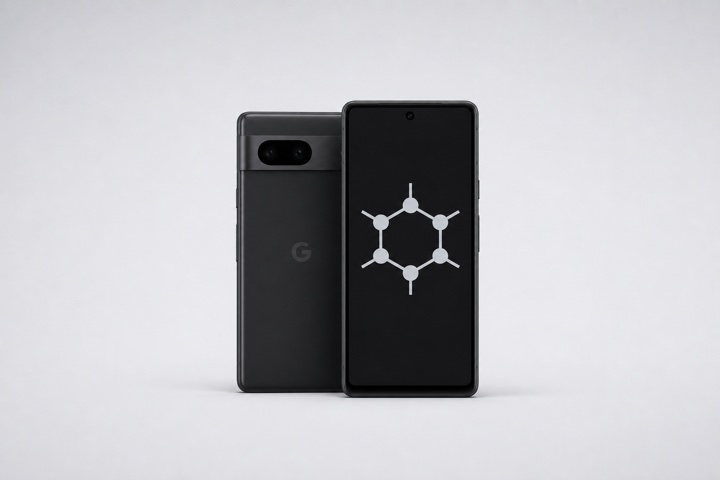
Strong exploit mitigations, fast OS-level patches, and minimal real-world friction. If you ask "what should I just buy", the answer lives here.
What it takes
- Hardened Android with verified boot + active mitigations
- Predictable monthly security update cadence
- Banking, maps, and 2FA work without heroic workarounds
A tier
Solid, with tradeoffs
Privacy-forward defaults that get you most of the way. You give up some hardening for friendlier UX, repairability, or hardware variety.
What it takes
- De-Googled or trackers-blocked Android out of the box
- Reasonable update pipeline (verify per device)
- Broader hardware choice than the GrapheneOS lineup
-
 01 /e/OS
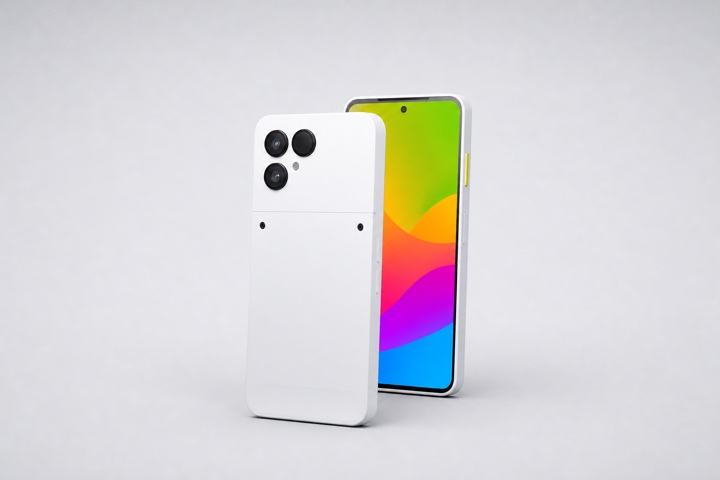
Murena Fairphone 6
A repairable Fairphone running /e/OS — strong "escape Big Tech" story with familiar Android ergonomics.
Best for De-Googling + sustainability -
 02 iodéOS
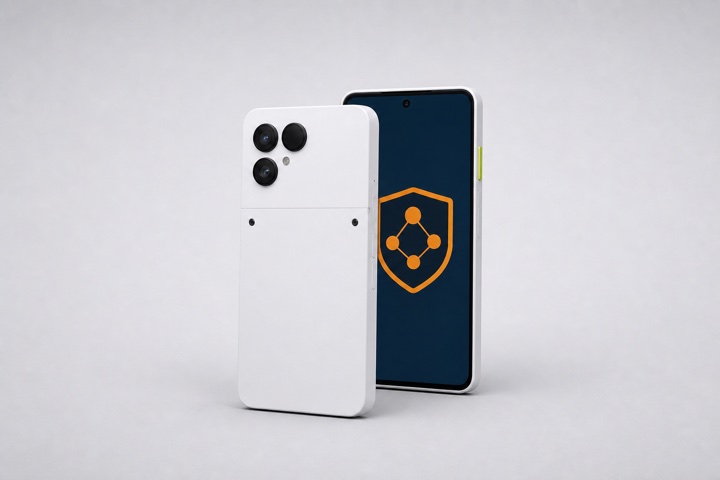
iodéOS devices
Privacy-focused Android fork with built-in trackers blocking; pick devices with a confirmed update cadence.
Best for Network-level tracker blocking
B tier
Niche, depends on you
Can be a great fit for specific buyers, but the value proposition is workflow-dependent. Read the review before you commit.
What it takes
- Works well only inside a specific use case
- Smaller ecosystem or app catalog
- Update or hardening posture less proven than top tiers
-
 01 AphyOS
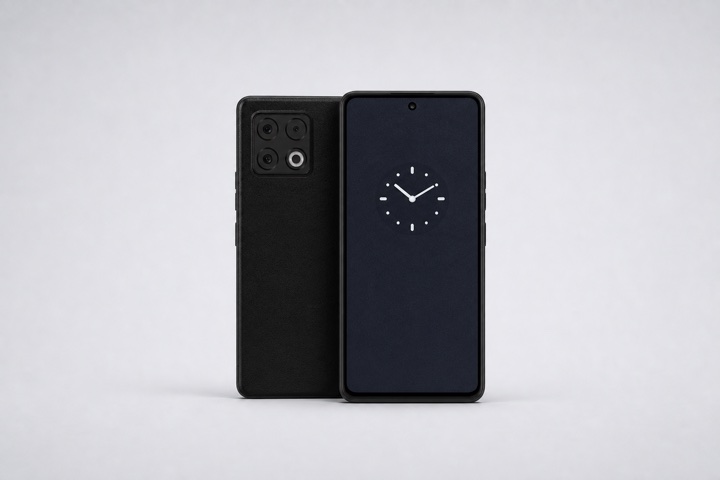
Punkt MC03
Curated, low-distraction Android-derived experience. Good if you trust Punkt’s defaults more than your own app discipline.
Best for Vendor-curated minimalism -
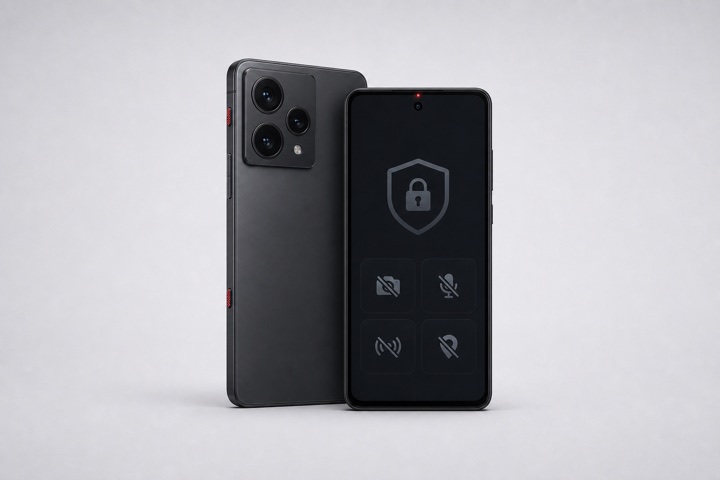 02 AphyOS
HIROH
Pre-configured "privacy phone" stack at a premium price. Convenient, but less transparent than open projects.
Best for Turnkey privacy buyers -
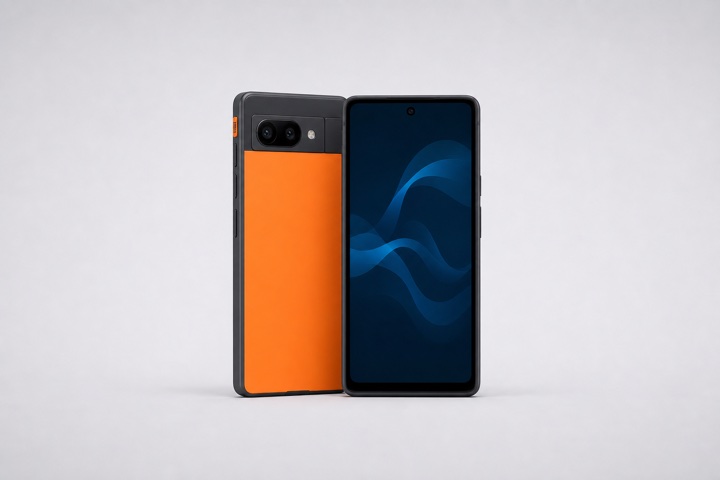 03 Sailfish OS
Jolla Phone 2026
Non-Android primary stack with a distinct permission model. Smaller catalog and compatibility quirks are real.
Best for Android-free OS curious
C tier
Compromises or different category
Less compelling as a primary privacy choice today. Some are minimal-phone or Linux-first concepts where "privacy" is a side effect, not the security model.
What it takes
- Bundled marketing claims that don’t hold up vs DIY
- Daily-driver tradeoffs are significant
- Hardening is indirect (e.g. minimalism), not technical
-
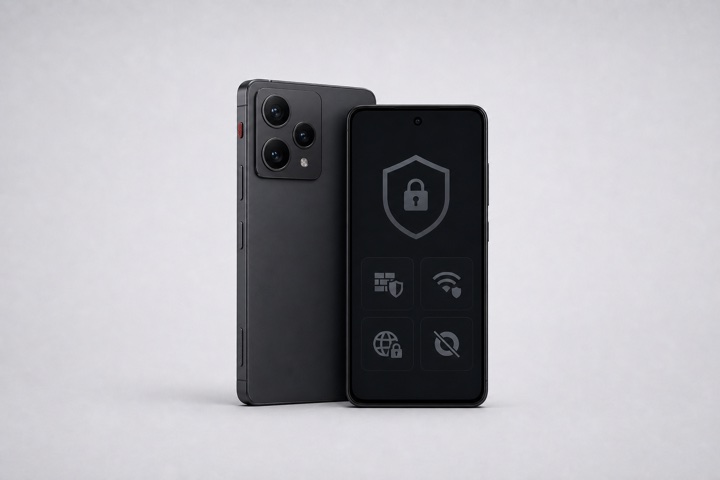 01 LineageOS
Unplugged UP Phone
Bundled "privacy phone" services on top of LineageOS. Hard to justify versus a Pixel running GrapheneOS.
Best for Buyers who want one vendor -
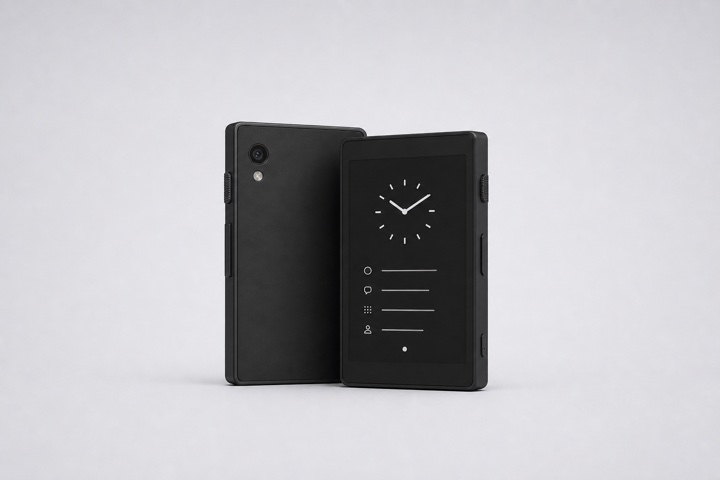 02 LineageOS
Light Phone III
A minimalist phone, not a privacy OS. Privacy benefits come from generating less data, not from hardening.
Best for Cutting screen time -
 03 PureOS
Purism Librem 5
Linux-first handset for tinkerers. App, performance, and battery tradeoffs are still significant for a daily driver.
Best for Linux-on-phone hobbyists
Dead tier
Avoid for new setups
Projects that lost momentum. Existing users may still be fine, but we don’t recommend buying new hardware around them.
What it takes
- Discontinued, archived, or unmaintained
- Update cadence has stopped or fallen behind
- Better successors exist in higher tiers
-
 01 CalyxOS
CalyxOS
Project effectively wound down in 2025–2026. Move existing devices to GrapheneOS or /e/OS.
-
 02 DivestOS
DivestOS
Archived in 2024. Switch to a maintained ROM with a documented update pipeline.
How we think about tiers
Tiers are an editorial judgement, not a benchmark score. We re-evaluate them whenever an OS releases a major change, a project loses momentum, or hardware support shifts.
-
Update pipeline first
A documented, fast security update cadence beats a louder marketing story every time.
-
Usability is privacy
If it’s painful, people bypass it. A phone that nudges you toward bad habits is not a privacy win.
-
Threat models vary
The best phone for a journalist differs from the best phone for a casual user. Pick a tier that matches your risk, not your aesthetics.
-
No affiliate bias
We don’t take sponsorships or affiliate fees from any vendor in this list. Placement reflects our reading of the project, not a payment.