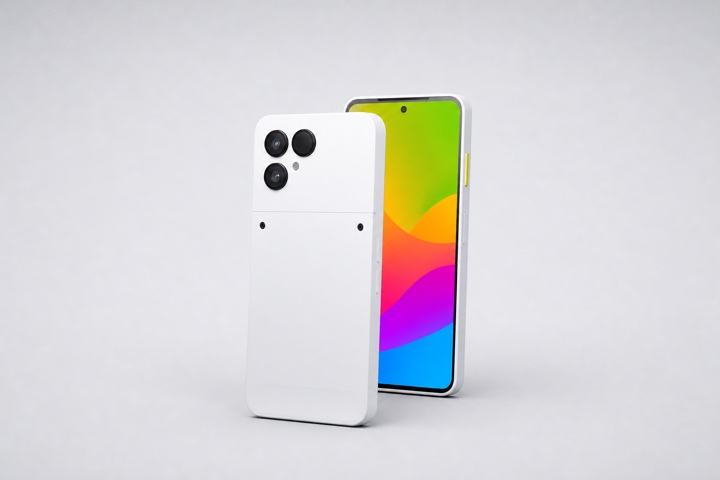
Choose a phone that
respects your privacy.
No-hype comparisons, an opinionated hierarchy, and practical guides for choosing the right privacy phone — and avoiding the wrong one.
Featured phones
Our current top picks across different categories.

GrapheneOS Pixel 9
GrapheneOS · Smartphone
Top-tier privacy baseline with fewer compromises.
Murena Fairphone 6
/e/OS · Smartphone
De-Googled-ish experience with usability-friendly defaults.

Punkt MC03
AphyOS · Smartphone
A privacy-emphasized device with a narrower, curated experience.
Guides
Start here if you're new to privacy phones.
Start here: choosing a privacy phone
A simple decision tree that gets you to a solid choice quickly.
GrapheneOS basics: the setup that actually matters
A practical checklist for a secure, usable GrapheneOS daily driver.
Best Privacy Phones in 2026: Complete Buyer's Guide
A comprehensive, honest comparison of every major privacy phone and service available in 2026 — from GrapheneOS Pixels to HIROH, Punkt MC03, Murena, Librem 5, Jolla, Light Phone III, and more.
CalyxOS Is Dead — Here's What You Should Do Now
CalyxOS development has been paused since August 2025 with no security updates. This guide covers what happened, the risks of staying on outdated CalyxOS, and step-by-step migration paths to GrapheneOS, /e/OS, and other alternatives.
What Is GrapheneOS? The Complete Beginner's Guide (2026)
Everything you need to know about GrapheneOS — the privacy-focused mobile operating system. Learn what it is, how it works, which devices it supports, and whether it's the right choice for you.
Cape Privacy Carrier Review: Is $99/Month Worth It?
An in-depth review of Cape, America's first privacy-focused nationwide mobile carrier. We break down IMSI rotation, SIM swap protection, the Proton partnership, GrapheneOS compatibility, and whether the $99/month price tag is justified.
GrapheneOS vs /e/OS: Which Privacy Phone OS Should You Choose?
An in-depth comparison of GrapheneOS and /e/OS — the two leading privacy-focused mobile operating systems. We compare security, usability, device support, ecosystem, and pricing to help you decide.
The Privacy Phone Hierarchy: Every Option Ranked (2026)
The definitive tier ranking of every privacy phone, OS, and carrier service in 2026 — from GrapheneOS to dead projects. Opinionated, researched, and regularly updated.
How to Set Up a Privacy Phone in 2026: Complete Step-by-Step Guide
A practical, hands-on guide to setting up a privacy-focused phone using GrapheneOS on a Google Pixel. Covers device selection, installation, sandboxed Google Play, recommended privacy apps, banking compatibility, and ongoing maintenance.
What's Your Threat Model? A Privacy Phone Buyer's Framework
A practical, five-level framework for choosing the right privacy phone setup — from blocking ad tracking to defending against state-level surveillance. Find your threat level and build your stack.
HIROH Phone Preview: Europe's $999 Privacy Challenger Arrives March 2026
An in-depth preview and analysis of the HIROH Phone — a de-Googled smartphone with dual hardware kill switches, /e/OS, and flagship specs. We examine the specs, the company behind it, and whether it's worth a $999 preorder.
Punkt MC03: The $699 Dual-Personality Privacy Phone Explained
A deep dive into the Punkt MC03's Vault/Wild Web dual-environment concept, AphyOS subscription model, Proton integration, and whether this German-assembled privacy phone is worth $699 plus ongoing fees — or if GrapheneOS on a Pixel does the job better.
Best VPNs for Privacy Phones in 2026: Mullvad vs Proton VPN vs IVPN
An honest, affiliate-free comparison of the only three VPNs worth using on a privacy phone. Mullvad, Proton VPN, and IVPN compared on privacy, pricing, audits, and GrapheneOS setup.
Signal vs SimpleX vs Briar vs Session: Private Messaging Apps Compared (2026)
A deep-dive comparison of the four leading private messengers — Signal, SimpleX, Briar, and Session — covering encryption protocols, metadata exposure, platform support, and real-world usability on GrapheneOS and beyond.
F-Droid vs Aurora Store vs Accrescent vs Obtainium: App Stores for Privacy Phones Explained
A practical comparison of every major app installation method for privacy phones — sandboxed Google Play, F-Droid, Aurora Store, Accrescent, Obtainium, and direct APK downloads. Learn which stores to use, which to avoid, and how to combine them.
Above Phone, Nitrokey NitroPhone, and Privacy Phone Resellers: Are They Worth It?
A balanced analysis of privacy phone resellers — Above Phone, Nitrokey NitroPhone, Liberate Your Tech, and iodé — examining their pricing, value proposition, and whether the markup over DIY is justified.
The Unplugged UP Phone: Why We Don't Recommend It
An investigative look at the Unplugged UP Phone — the $989 'privacy' device backed by Blackwater founder Erik Prince. We examine the outdated hardware, closed-source OS, questionable leadership, and why a Pixel with GrapheneOS is a far better choice.
10 Privacy Phone Myths Debunked: What Actually Matters (and What Doesn't)
Cut through the noise. We debunk the 10 most common privacy phone myths — from 'you need a special phone' to 'VPNs make you anonymous' — and explain what actually protects your data.
Switching from iPhone to a Privacy Phone: The Complete Guide
A practical, step-by-step guide for migrating from Apple's ecosystem to a privacy-focused phone running GrapheneOS — covering what you'll lose, what you'll gain, and how to make the transition as painless as possible.
Purism Librem 5 in 2026: Noble Idea, Painful Reality
An honest deep-dive into the Purism Librem 5 — the world's most ambitious privacy phone. We respect the vision of fully open hardware and software, but examine whether execution, performance, and company trust issues make it viable for most privacy-seekers in 2026.
Privacy Phones for Families: A Practical Guide for Parents
A warm, practical guide helping parents protect their family's digital privacy with GrapheneOS phones, privacy-respecting apps, and simple habits — without going full tinfoil hat.
Not sure where to start?
Our beginner's guide walks you through threat models, phone options, and setup — in plain language.